As spring weather begins, many are enjoying the sun and warm temperatures. However, saying goodbye to winter also signifies the end of the basketball season. This year, the girls’ varsity basketball team finished with a 22-6 overall record, the best the team has achieved in the program’s history, showcasing the hard work many players have put in since the end of last year’s season.
The season was filled with many highs and lows. This year’s success was the result of the collaboration of all the players, captains, coaches and supporters. Many players recognized by the district and region for their contributions to the team, with the captains working to unify all the moving pieces, continued the team’s momentum until the end of the last game.
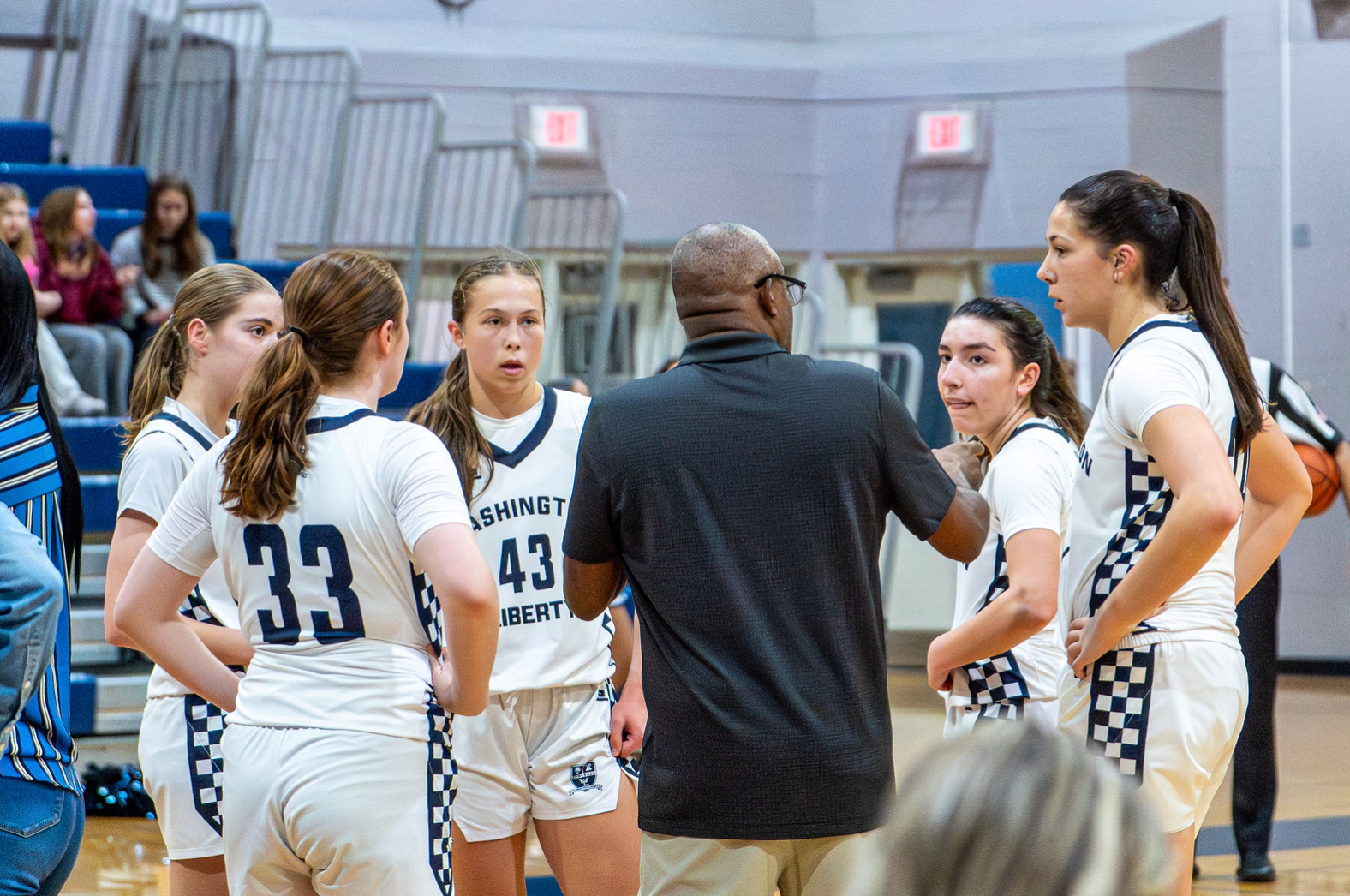
A new beginning also ended with the team’s final game, as this year they welcomed new head coach Horace “Buck” Willis.
Willis’s new position on the coaching staff meant he participated in the voting process for the district and regional teams.
“What happens is, all seven coaches within the district get together, and they choose their top eight players who they think will represent the district, as far as first
team, second team, all defense and all rookie teams,” said Willis. “It is the same for the region.”
However, the actual voting decisions were not as simple as the process would seem. Players must impress each district coach sufficiently to make a team, competing against every other district player for this recognition. The regional teams are then pulled from the first teams of each district.
Anna Jungman, a sophomore at the school, has been a member of the varsity team since her freshman year. This year, she was voted onto the first all-district team, the district all-defensive team and the second-team all-region. These accomplishments took months of consistent hard work, but concerns about unfair voting from district and regional coaches, combined with the competitive nature of voting, remained.
“They are definitely very political, [because] of course, coaches want their own players to do well [in the decisions] so they are going to do what they [can to make that happen],” Anna Jungman said.
Willis agreed. He found the biased voting to be a disheartening development within the district and region.
“[The voting is] very political… I do not even know why we have them, because everything’s political. Everything’s one stream, one-sided, and that’s it,” Willis said. “[It’s] very frustrating.”
This conceived bias in the voting system raised concerns for some of the players.
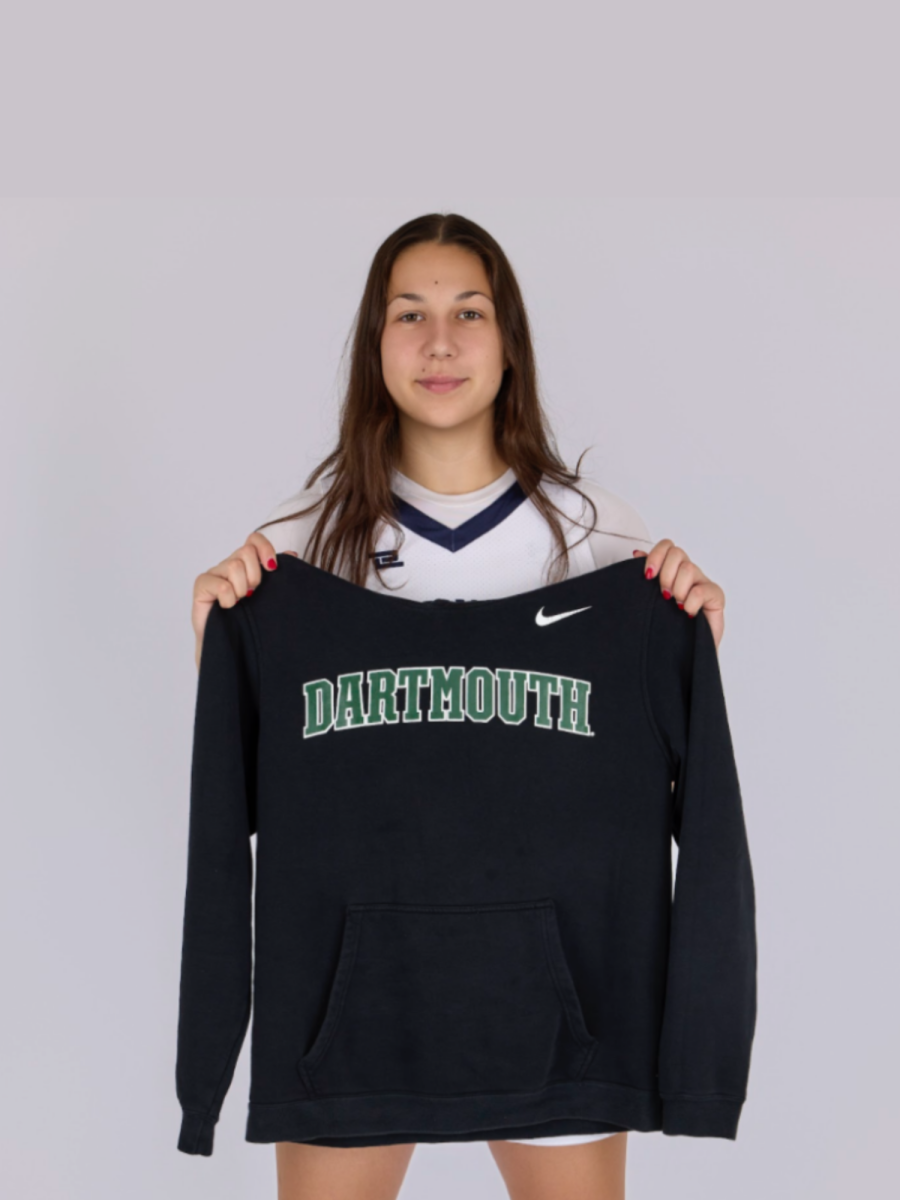
Eve Jungman, a senior at the school, played her fourth varsity season for the school this year. The 6’3 forward is committed to play Division 1 basketball at Dartmouth College. She was voted onto the first all-district and all-region teams and was the district player of the year. She said the votes were on her mind during the season.
“It definitely impacted how I played… I had my goal in mind throughout the season, and I had specific stat goals for each game in order to reach my overall goal,” she said.
However, Eve Jungman worried that her game statistics would not be enough to secure her recognition from the other coaches if there was biased voting.
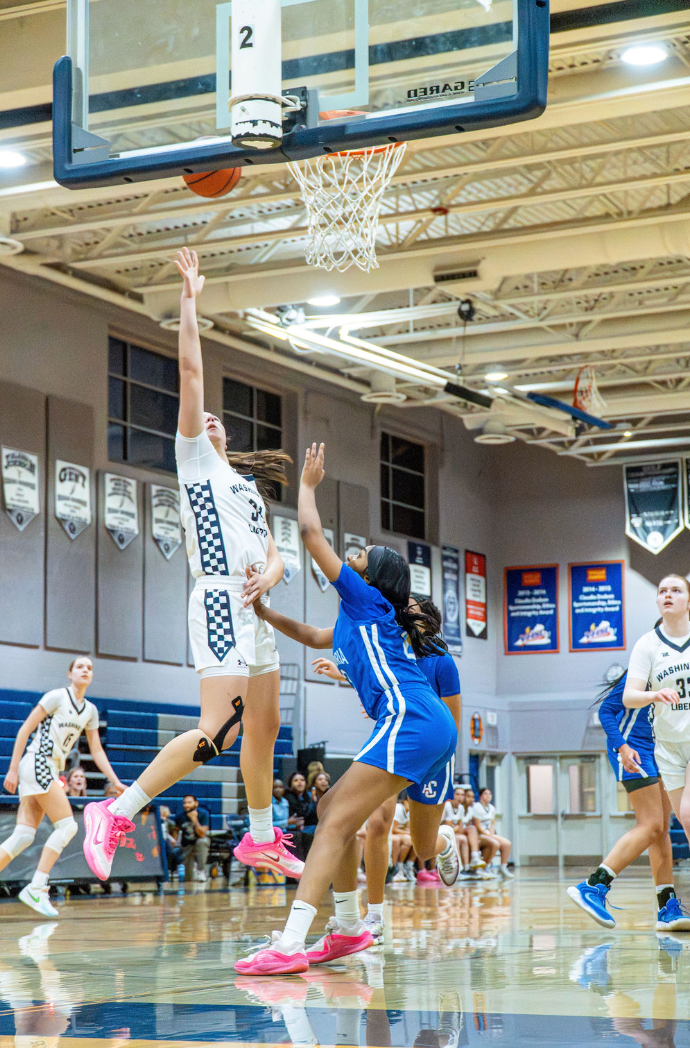
“Certain schools have formed alliances and whatnot, and not voted honestly for schools [or] players from schools outside their [alliances] so that their own players would score higher,” Eve Jungman said. “[Making district player of the year] was more relief than anything else, because it has been my goal for a while, and I was worried it was not going to happen because of all the political things with the decisions.”
All the players on the team who made the district or regional teams were aware of the risk of tendentious voting. Anna Jungman mentioned how making the all-defensive team was a relief.
“I was just really excited [and] happy about that, because, given it is political, it is kind of hard to tell how any of that’s gonna work out,” Anna Jungman said. “It is important to me… because defense is [a] really important part of my playing style. [I was] just trying to be more consistent… within games but also getting used to [playing well defensively] in practices.”
The consistency Anna Jungman voiced was a common denominator for all the regional and district players.
The team’s point guard, Kathryn Wagener, has played varsity for three seasons. She is a junior at the school and made the first all-district and all-region teams this season.
“I was excited because I felt very honored that other coaches voted for me and that I get to support our school,” Wagener said. “Last year I made second team all-region, so I was excited that I improved.”
The improvement over the winter months for these district and regional players required time and energy spent on skills outside of regular practice times.
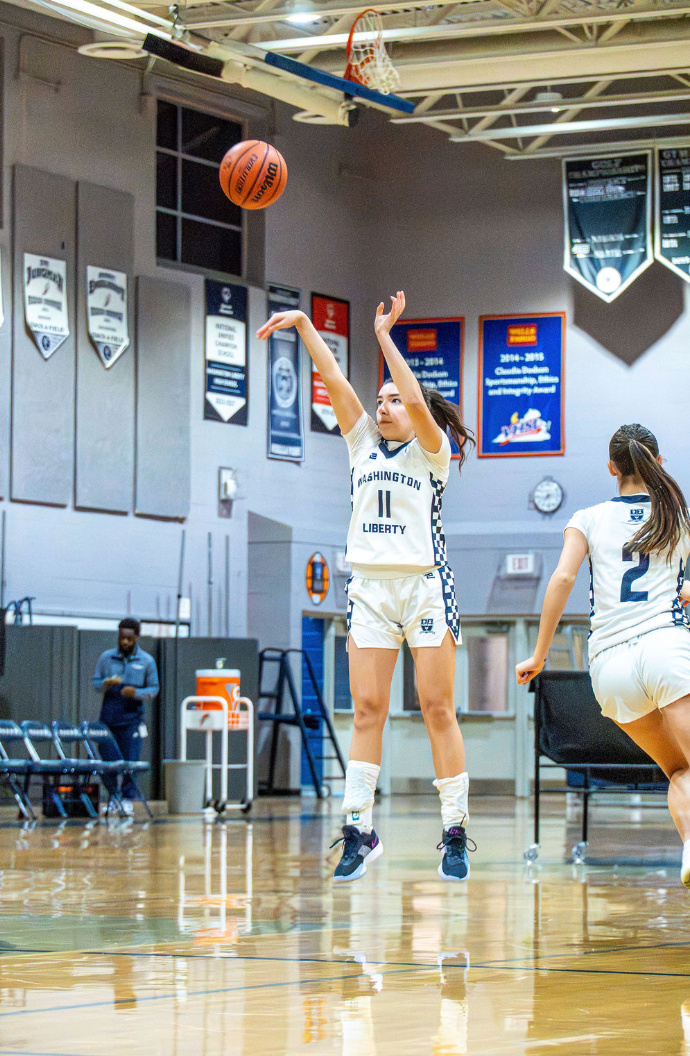
Riley Krohl was one player who put in work after hours. This season was her first year on the varsity team. The freshman is a shooting guard and was voted to the second all-district team and district rookie of the year. She said she had to improve her skills in practice with the team and outside of it.
“[It took] a lot of work and effort… I worked on my shooting, and outside of practice, I would shoot in my driveway,” Krohl said.
The effort was reflected in many other players on the team. The captains, Hannah Kelley, Eve Jungman and Catherine Hogans, all embraced their roles as leaders this year.
Being a team captain means embracing more responsibilities. The coaches and other players expect captains to set the standard for the rest of the team.
Kelley, a senior at the school, is a shooting guard and has played basketball for nearly a decade. She said there were many characteristics important to being a good captain.
“I think you definitely have to have a lot of experience with the sport, but you also have to be willing to speak up in front of the group and take initiative to get things done for the team,” Kelley said. “[You have] to make sure that everyone’s doing what they need to be doing, and you have to be able to be a leader and be loud.”
The captains’ impact on the team can greatly shape its culture and community. Hogans, senior small forward, has also played basketball for over a decade.
“For me, [positivity] was kind of the most important thing,” Hogans said. “Because, if you are a captain, I feel like it is partly your job to make the team fun. If there are arguments and stuff like that, it might not be your responsibility to solve all of them, but it is [a captain’s responsibility] to try to be inclusive of the team.”
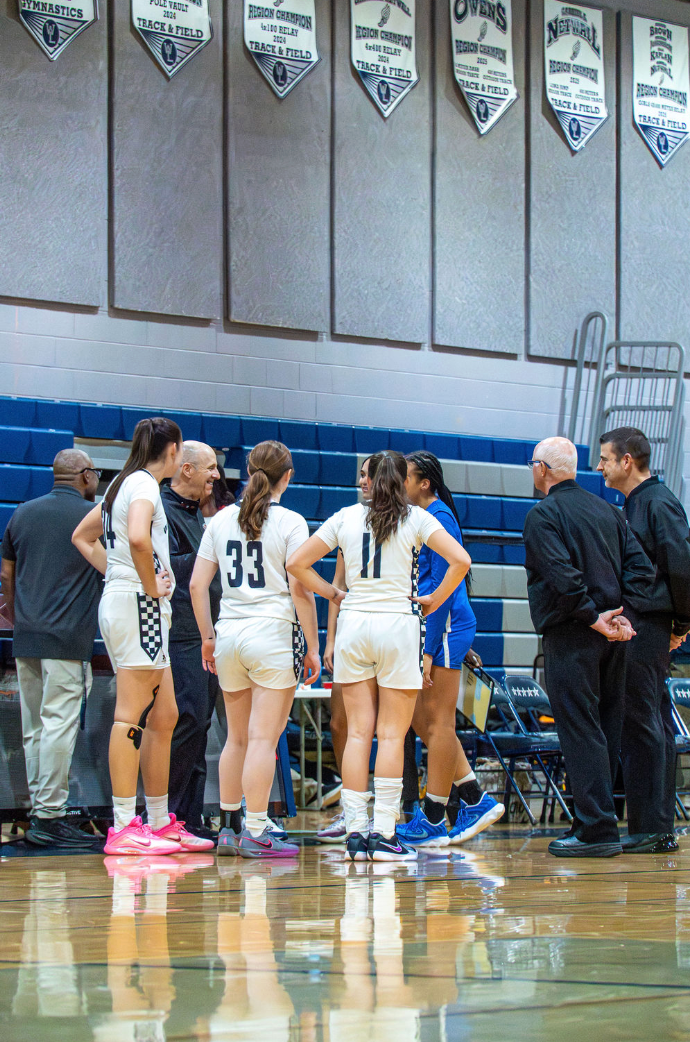
This year’s captains (left to right) Eve Jungman, Catherine Hogans and Hannah Kelley, meet with the officials before the game begins. Captains have the responsibility to communicate and cooperate with officials during the games.
Along with leadership, a captain must be able to collaborate with all teammates. Eve Jungman noted her experience in this aspect of team leadership.
“It’s been such an opportunity for growth in how I handle myself with regards to trying to put aside more trivial issues and focus on what’s best for the team,” Eve Jungman said. “I think as captain you do have that responsibility to put the team first and be the bigger person… and [having to] put aside issues… in order to do what is best for the team.”
Hogans agreed, noting the challenges that arise when attempting to work with 14 other teammates.
“I think you need patience,” Hogans said. “I think that productive environments are built on many opinions, and if people do not agree with you on certain things, then it is important to be able to listen to people and understand them without getting too emotional about things.”
Collaboration is a crucial aspect of any team sport. Coaches, captains and players all have to work together to succeed. Part of this collaboration for captains is serving as the line of communication between the coaches and players.
“I feel like this year, in addition to leading things during practice or warming up for games,” Kelley said, “I feel like I did a lot of communication for the team, and especially being the person to communicate between the coaches and the players, which I think is important.”
This communication was just as important for team bonding as it was for on-the-court instruction.
“For me, I felt like I wasn’t gonna be the court captain, which is fine,” Hogans said. “So I think that my responsibility was just to check up on my girls. Like, just try and be friendly and build a community where it is positive and people are having fun and people do not feel excluded.”
However, not everyone was as focused on inclusion as the captains.
According to a study by Purdue University, the number of high school female athletes has grown since the implementation of Title IX, from one in 27 students to one in every three. However, as shown in the same study, viewing rates for female sports have risen only from 5.0% in 1989 to 5.4% in 2019. This 0.04% increase is startlingly disproportionate to the increase seen in female participation in sports.
Unfortunately, the student support of the girls’ varsity basketball team exhibited similar trends to these statistics this season. Willis discussed his disappointment in the student turnout during the season.
“[On a] scale of one to zero? Zero,” Willis said. “It was bad support… I think it is a bias. I really do. I mean, girls’ sports are coming along, but boys’ sports are more popular, and that is the only reason.”
Eve Jungman agreed with the sentiment, noting the parallel between the student turnout and the overall support for girls’ sports at the high school level nationwide.
“I think it is very representative of the typical experience, especially in high school,” she said. “I know things sometimes tend to change once we get to college and higher levels, and things are changing at those higher levels. But in high school, it is very much a social event to go to the guys’ games.”
Wagener agreed. Despite efforts from the boosters, the school administration, and family supporters, student attendance at games remained consistently low. Even with incentives, such as free game admission, student supporters rarely appeared in large numbers. Wagener commented on the extra steps the girls’ team needed to take to get even minimal engagement from students.
“No, [it is not fair], but it is probably the only thing that’s going to work,” Wagner said. “[We need] the boosters [supporting] and reposting everything, and just making [students] more aware of stuff, because… people do not see as much for the girl games.”
Not many improvements were seen throughout the season in student support of the team. Many players on the team shared their thoughts about what it would take to change student recognition.
“I think it would be really hard,” said Eve Jungman. “It would have to be a whole culture rewrite, basically… where it would be more of an event at any of the games, no matter whether it was girls or boys, or even what sport… it is just very ingrained in the culture of the school and the area to support the boys’ games.”
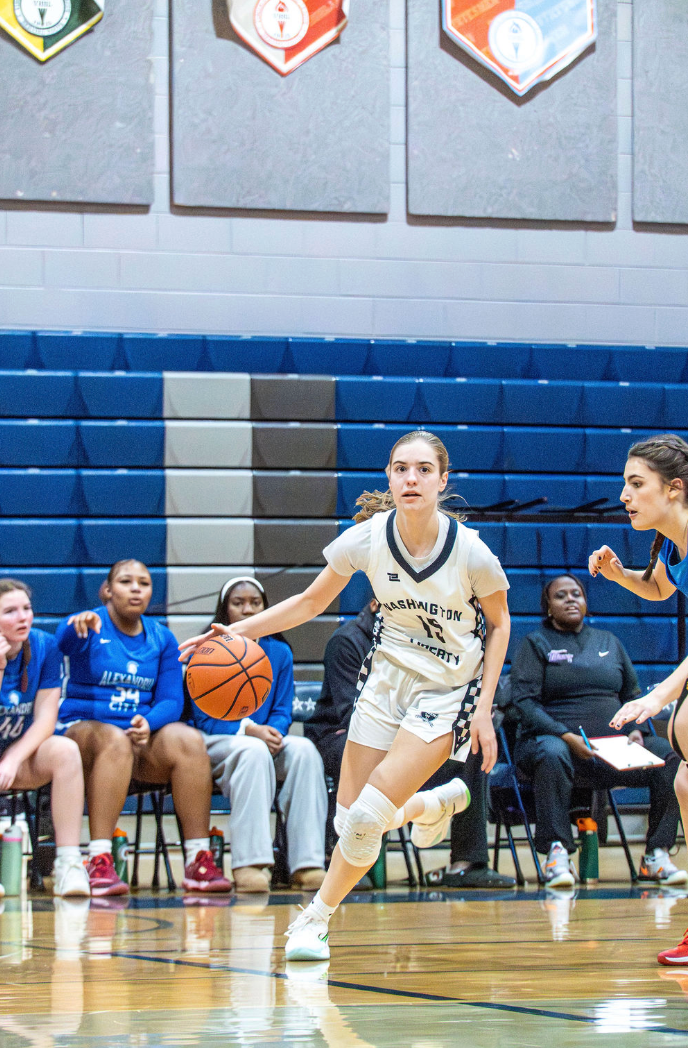
Many other players noticed the school’s perceived aversion to girls’ sports. Krohl commented on her theories regarding the reasons behind this.
“[The turnout] signifies how the boys have the best support of the people, and how the women’s sports are overlooked,” Krohl said. “I do not think you can really make them come, but I think if their mindsets [and perceptions of the girls] change, they [would] go. I think if they actually watched a game, it would change. [The problem is] stereotypes. [People] think we are not as good as the boys [or we are] less skilled.”
Hogans mentioned the effect that the lack of support can have on team morale.
“I think it just keeps us from being as proud about [being part of the team], and I feel like it feels like more of a burden, because there is less reward from it superficially,” Hogans said. “I think people need to come first and see that our games are fun.”
Eve Jungman agreed and shared the impact that having an engaged student section can have on a game.
“I mean, you always want to perform well for the fans,” Eve Jungman said. “And then I think having that engagement from your peers, it is nice to feel that support, and it kind of lightens the mood sometimes, or just makes [playing] more enjoyable.”
Anna Jungman said this year’s success could highlight the strength of the girls’ teams going forward.
“I think [it is] pretty typical. Boys’ sports almost always get more support,” Anna Jungman said. “I feel like the sports themselves are still exciting, like our games are exciting, it is just people don’t recognize that yet. I think doing well has brought more attention to it, even though it is not much, but I think if teams continue to do well, it creates more attention.”
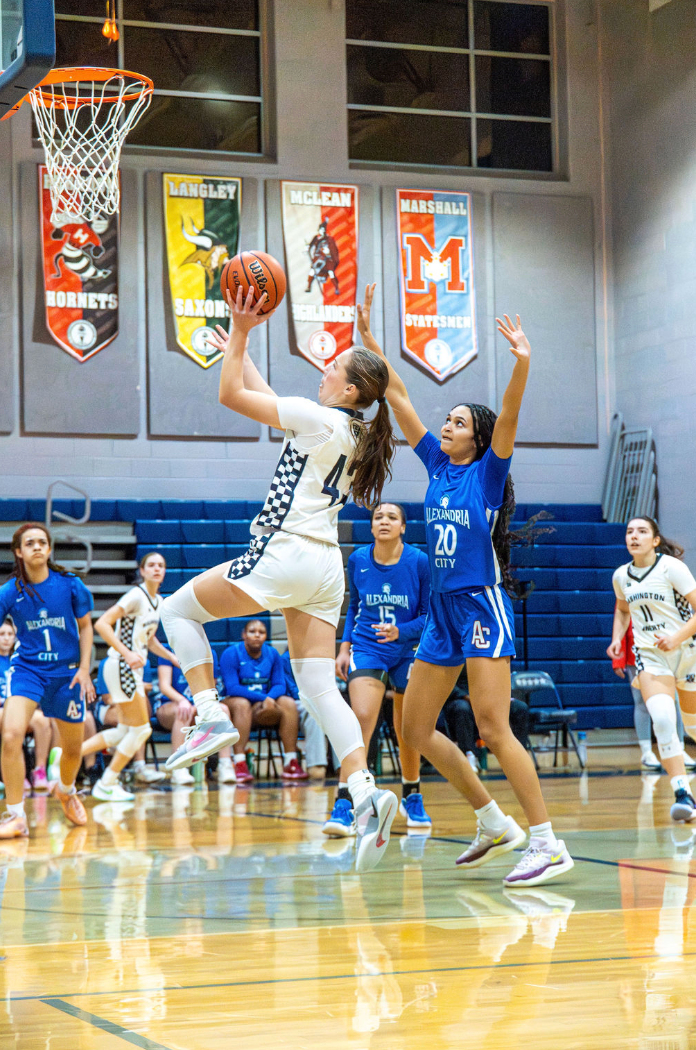
Although the momentum from this season could help with future student engagement, this season’s ending was still difficult for the team.
Hogans reflected on the loss in the district championship against the Langley Saxons. Last year’s district playoffs ended the same way: second in the district with Langley in the first-place spot. Hogans also mentioned how this loss carried over to the game against Chantilly.
“[The season’s end] was so abrupt,” Hogans said. “It was not what anyone expected. I think that is probably why we lost. I think we definitely expected to go much further. And I think losing districts was also such a huge letdown… because you have already lost what should be the easier thing to win… so I think morale was just low, and then it just kind of plummeted when we lost.”
Although losing the district championship for the second year in a row was frustrating, the team was able to continue on to the regional playoffs. However, Chantilly’s Chargers were able to secure the seven-point win, ending the season for the Generals. Again, the returning players experienced deja vu, as for the second time, the season ended at home against the Chargers in the first round of the regional playoffs.
“It definitely did not end the way we wanted it to,” Kelley said. “I think we all wanted to keep playing and advance further in regionals. But like I said earlier, our record was really good, and that was kind of special to see compared to last year.”
Anna Jungman was also proud of the year’s accomplishments.
“I am glad we got as far as we did,” Anna Jungman said. “I had hoped we would do a bit better than that, but it was still fun to get as far as we did.”
The end of the season might not have gone as planned, but this year’s record for the team is still something to be celebrated. There were many highlights this season, including adjusting to new team members, victories over rival schools, and moments of team bonding.
Wagener reflected on the season with an all-new coaching staff.
“We experienced a new coach this year, so we definitely had to adapt to his style of play and what he wanted from us,” Wagener said. “We learned more about teamwork and growing really close with everyone on the team to really win more.”
This teamwork and coaching allowed the players to create many special moments on the court. The rivalry wins against Yorktown High School were many players’ favorites. The team triumphed over the Patriots three times: first at home (59-38), then away (63-34) and finally at home again in the second round of the district playoffs (62-36).
“I think we had some games that were really fun,” Kelley said. “I really liked our game… away at Yorktown. I think that was a really special game for us. It was just really fun, high-energy, good basketball. Similarly… our Robinson game was a huge win… We came back, took over the game, and that was really cool to be a part of.”
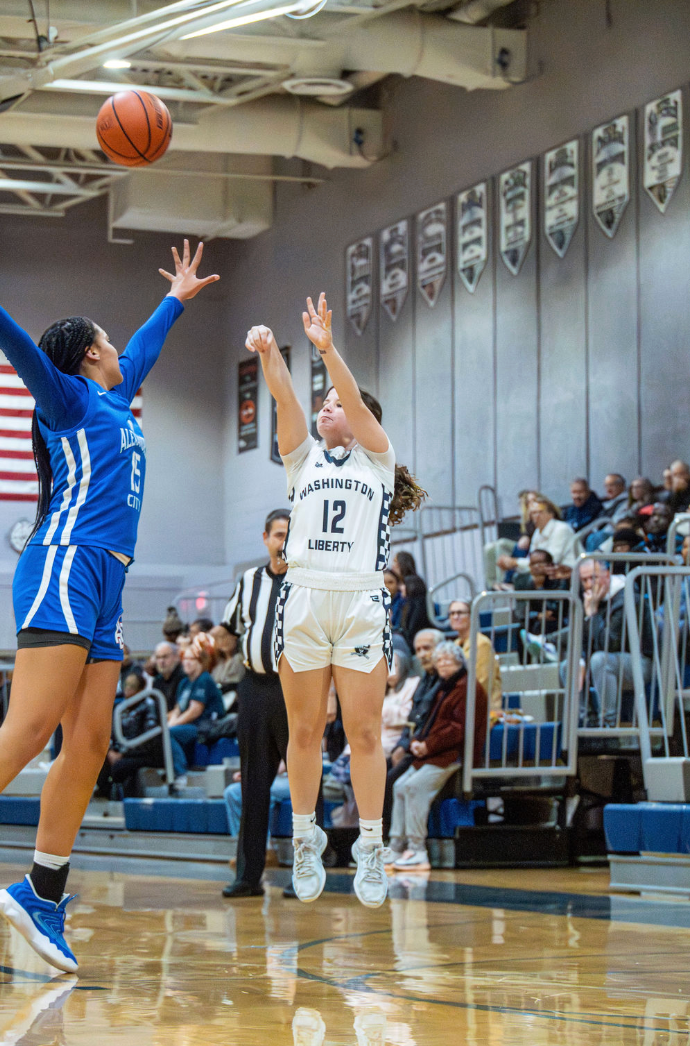
Hogans said her favorite moments were the small ones where the team grew closer.
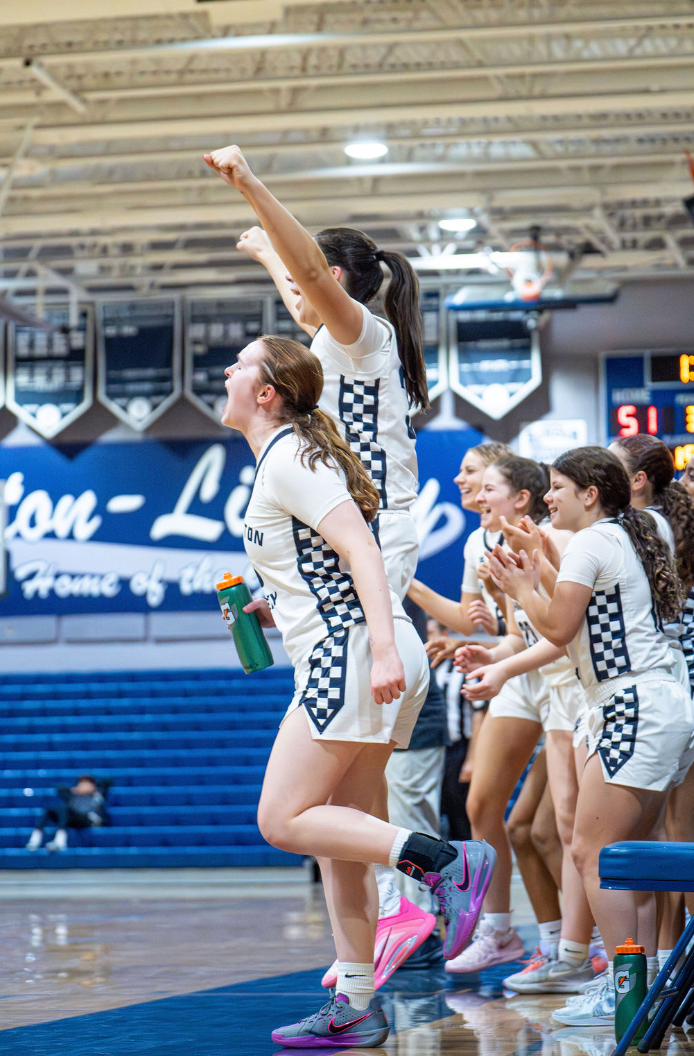
“I think the little team bonding moments where you slowly start to get to know people better [were my favorites],” Hogans said. “I would not have interacted with more than half of these girls at all, if not for basketball.”
This basketball season, despite ending earlier than expected, still marks what hopefully is only the beginning of many more successes to come. Players made new bonds and became familiar with the new coaching staff. The team finished second in the district and ended with the best record the school has seen in more than two decades of the girls’ varsity basketball program.
Krohl reflected on her experience during this momentous season.
“[My biggest takeaway was] to value your relationships with your teammates,” Krohl said. “Make the best of it because it goes by fast.”